
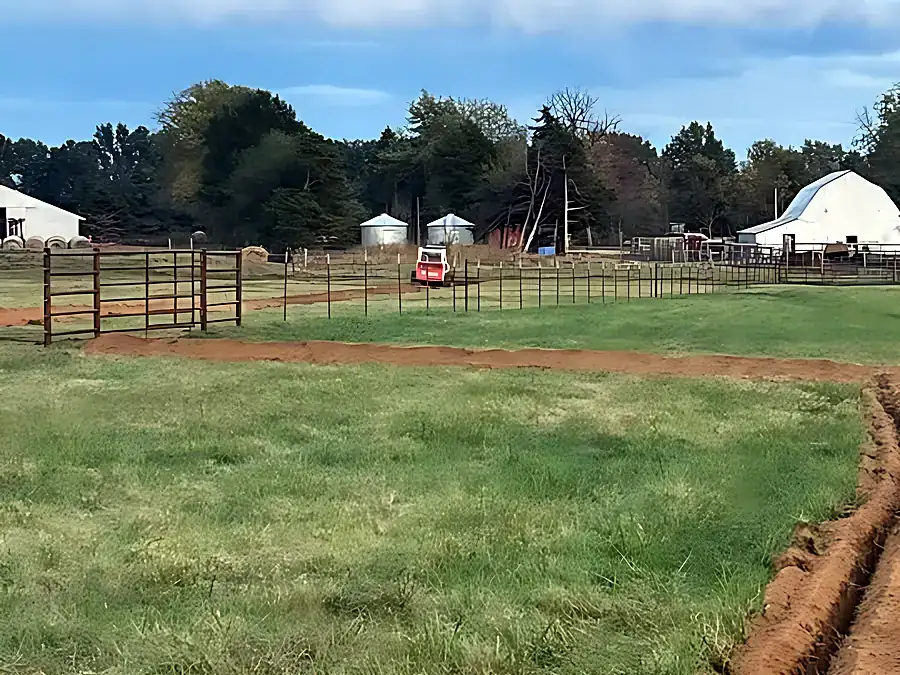
Excavation, Trenching & Line Guides
Plain answers on what to do when a line breaks, what the rules are, and what moves the cost of a dig. Every job is different, so Kasen looks at yours and gives you a straight number.
What Moves the Price
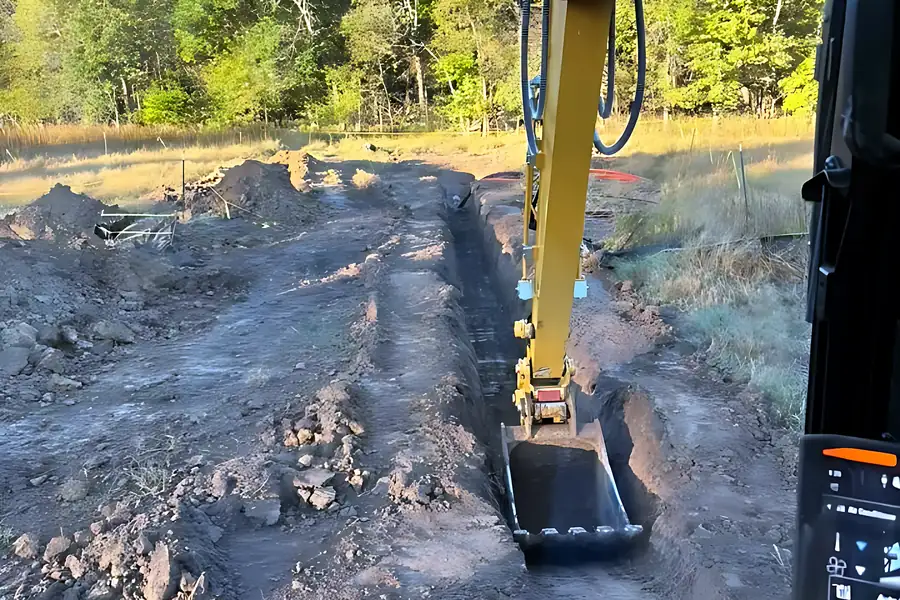
What Moves the Cost of Trenching in Tulsa
Trenching cost comes down to length, depth, the ground, access and obstacles. A long, shallow conduit trench across open pasture is the cheapest kind of dig there is. A deep sewer trench along a fenced side yard, under a sidewalk and around a tree is not. Redden Excavation looks at your run and gives you a straight price before we start.
Read the guide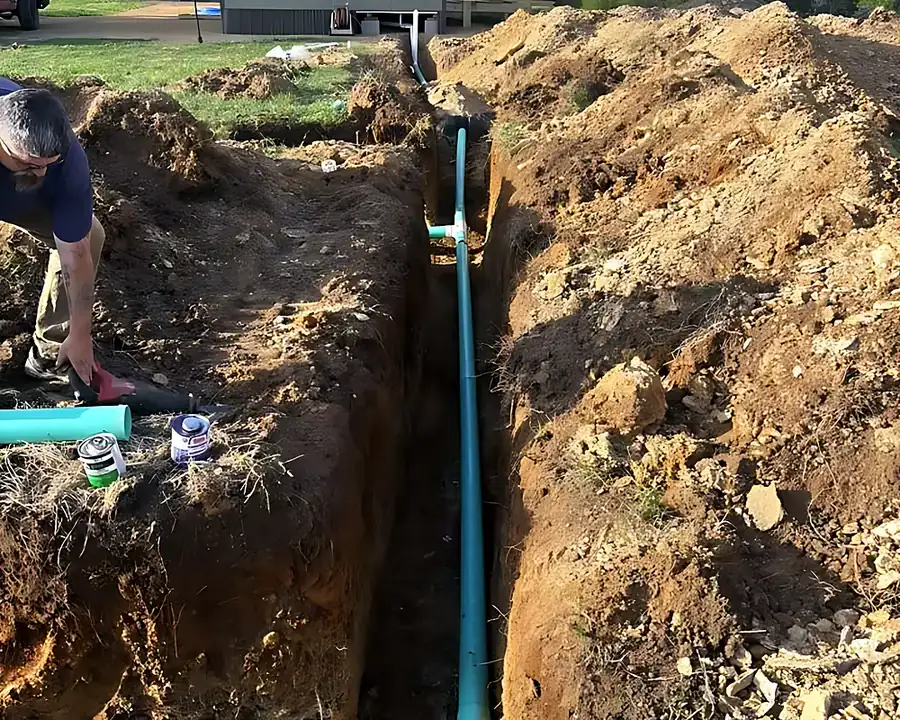
What Moves the Cost of a Sewer Line Dig in Tulsa
On a sewer line repair, the digging is often the bigger part of the job. What moves it: how deep the line is, how long a section has to be exposed, what sits on top (lawn, drive, patio), how close it is to the house and other lines, the soil, and whether it is an emergency. Redden Excavation gives you the price for the dig before we start.
Read the guide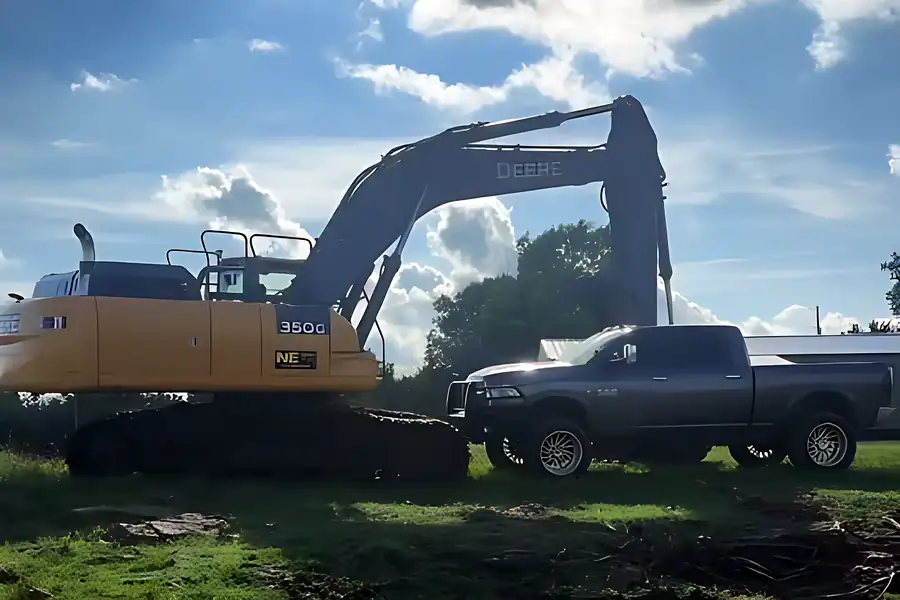
What Moves the Cost of Digging a Pond in Oklahoma
Pond cost comes down to how much dirt moves and how far, the soil, the dam, and access. A small stock pond in good clay on open pasture is a straightforward job. A big, deep pond with a tall dam, a spillway and clay hauled in for a liner is a much bigger one. Redden Excavation walks the site and gives you a straight number.
Read the guideMethods, Timing and Permits
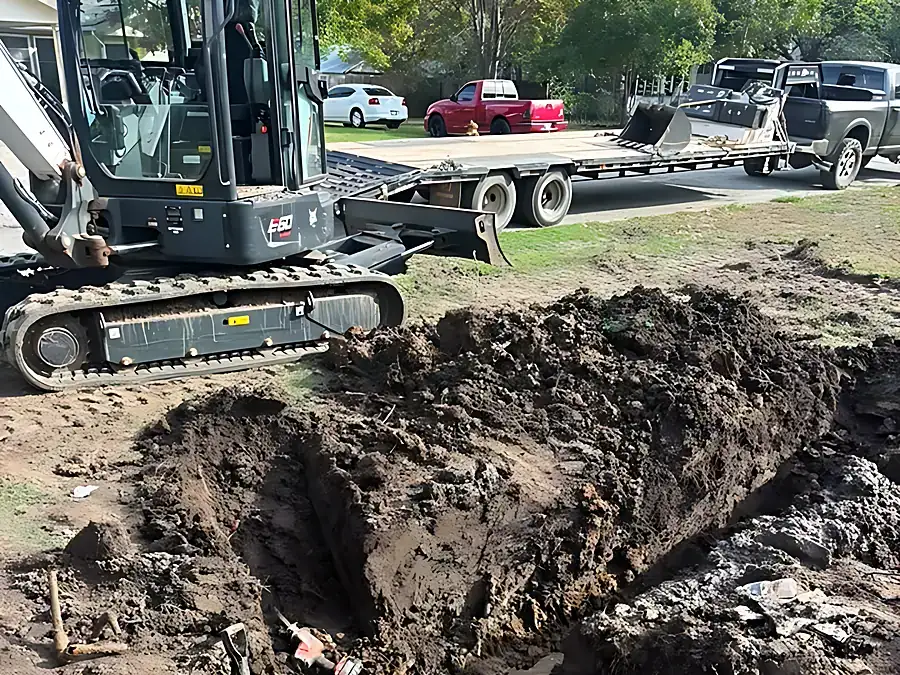
Water Line Broke in Your Yard? What to Do First
Shut the water off at the meter or the main shutoff, keep people and vehicles off the soft ground, figure out whether the leak is on the city's side of the meter or yours, then call a plumber and an excavator. If water is running and you cannot stop it, call (918) 320-3439 any hour.
Read the guide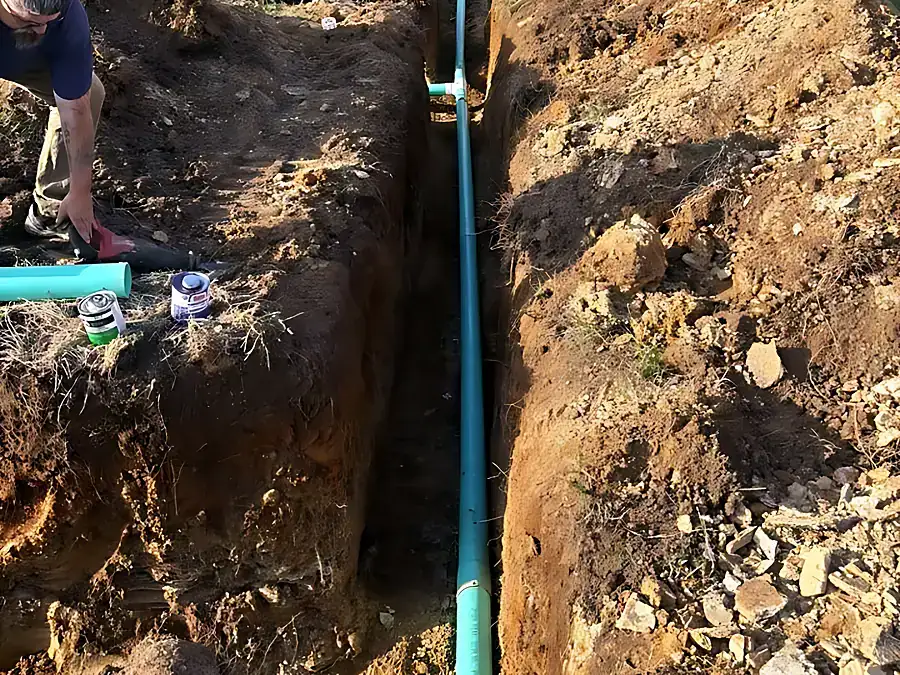
Sewer Backing Up Into the House? What to Do
Stop running water in the house, keep everyone away from the backed-up drain, and call a plumber to clear and camera the line. If the camera shows a break, a collapse or a belly out in the yard, the line has to be dug, and Redden Excavation digs it 24/7 at (918) 320-3439.
Read the guideOkie811: Calling Before You Dig in Oklahoma
Before anyone digs in Oklahoma, the public underground lines have to be located through Okie811, the state's one-call center. Call 811 or file a ticket online at least two full business days before digging. The utilities mark their lines with paint or flags. Private lines are not marked, so you have to know where they are.
Read the guideHow Deep Do Electric, Gas and Water Lines Get Buried?
There is no single answer. Required depth depends on the kind of line, the material it is in, the voltage, and what sits above it, and the local code and the utility have the final say. Your electrician, plumber or gas company sets the depth, and the excavator digs to it.
Read the guide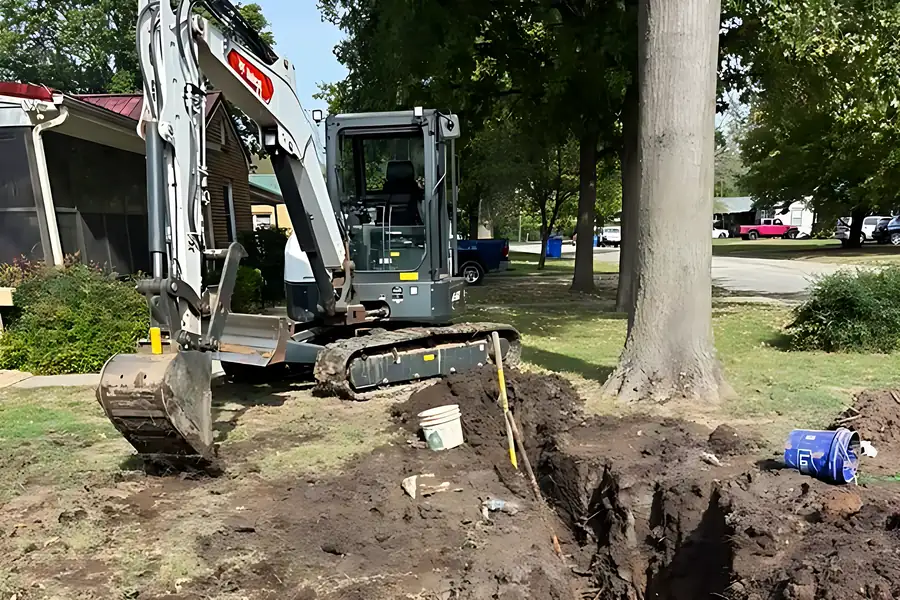
Digging In an In-Ground Storm Shelter in Oklahoma
An in-ground shelter needs a hole sized to the unit with room to set it, a firm level bottom, good backfill, and grading that sends rain away from the door. Most of what goes wrong on dig day comes down to access, buried lines, rock and water, and all four can be planned for ahead.
Read the guide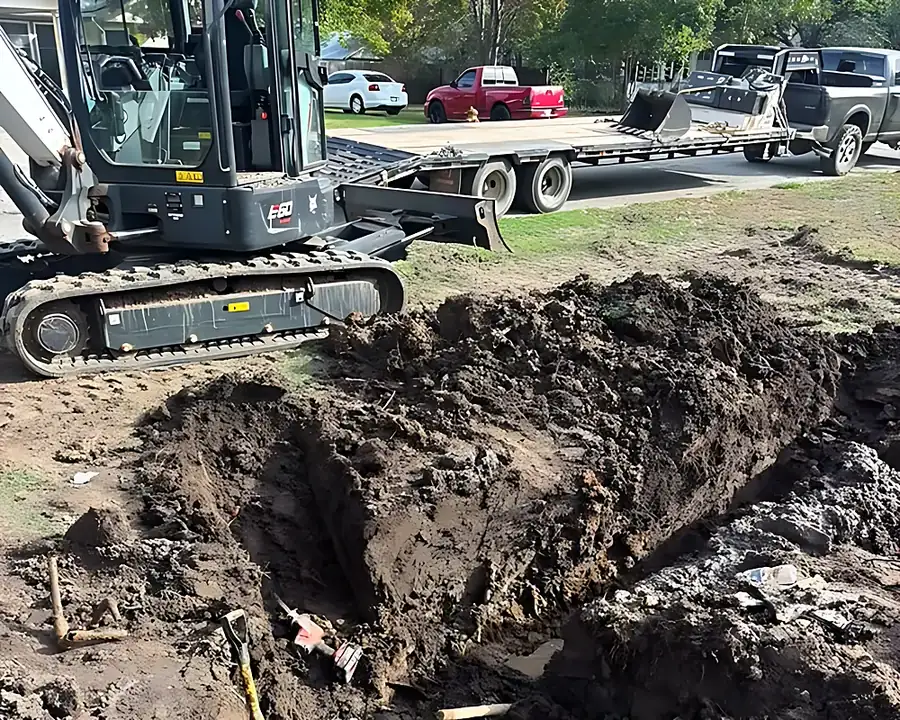
Septic Digging in Oklahoma: What to Know First
Septic systems in Oklahoma are regulated by the Department of Environmental Quality. New systems and replacements are designed around the soil, need the right approvals, and must be installed by a DEQ-certified installer. Excavation is a big part of the job: the tank hole, the lateral trenches, the line from the house and the backfill. Ask how your excavator and installer split the work.
Read the guide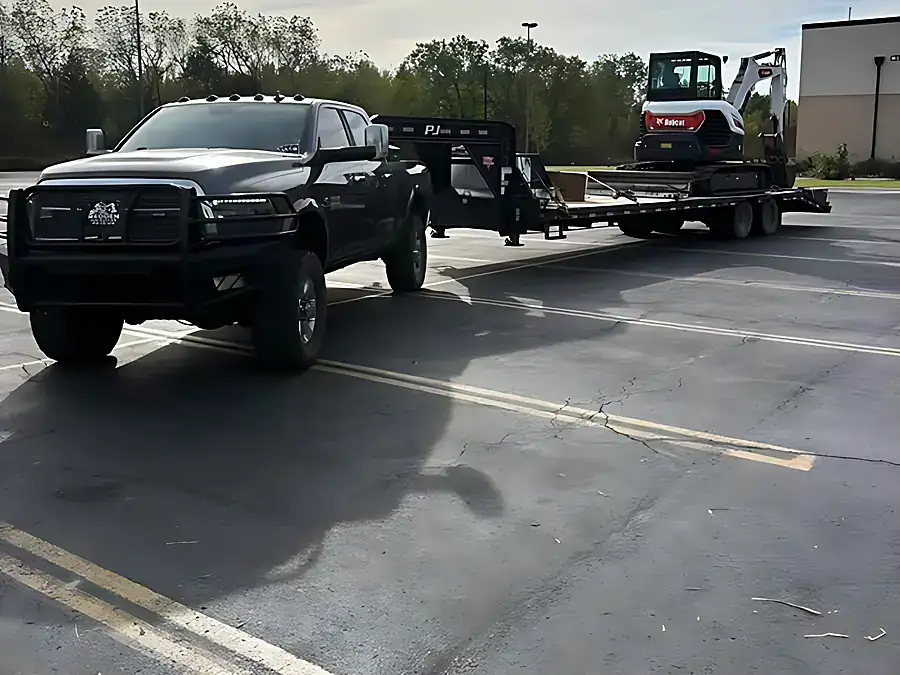
Mini Excavator vs Backhoe: Which Fits Your Dig?
For most small residential digs, a mini excavator is the better machine. It tracks into tight yards, turns in its own footprint, digs precisely and leaves less damage on a lawn. A backhoe is faster on the road and handy for loading and moving material, which suits some farm and road jobs.
Read the guide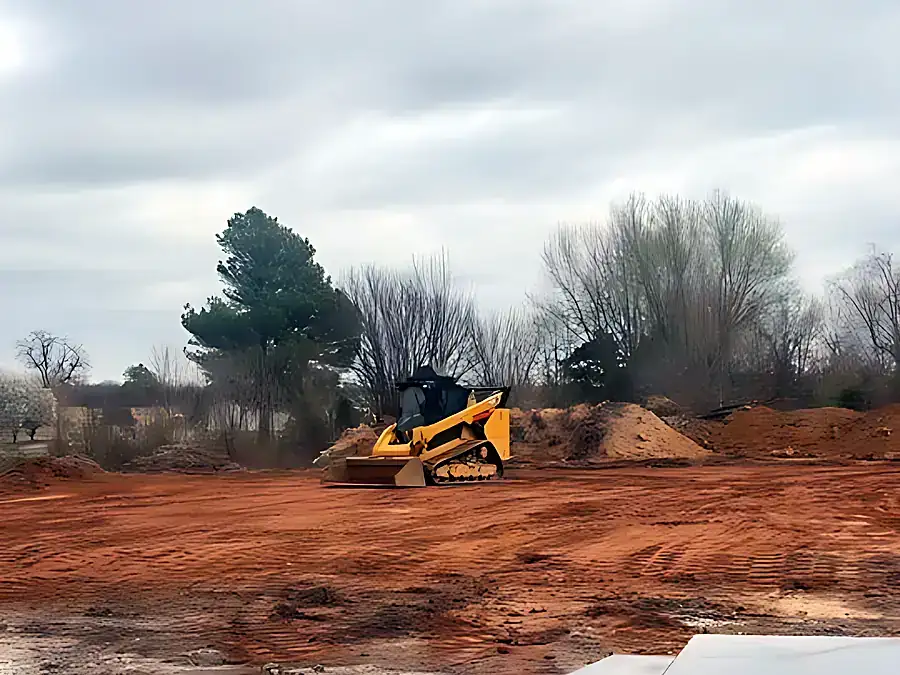
Building a Shop or House Pad on Oklahoma Red Clay
A good pad is built, not dumped. Strip the topsoil and roots, cut and fill to grade, place fill in thin layers and pack each one at the right moisture, set the top a little above the ground around it, and give water a way off. Red clay rewards doing it right and punishes shortcuts.
Read the guidePool Removal in Tulsa: Partial vs Full
There are two ways to remove an in-ground pool. A partial removal drains it, breaks holes in the bottom, knocks the top of the walls down and fills the rest. A full removal takes the whole shell out before filling. Partial costs less. Full is better if you might ever build on that spot.
Read the guide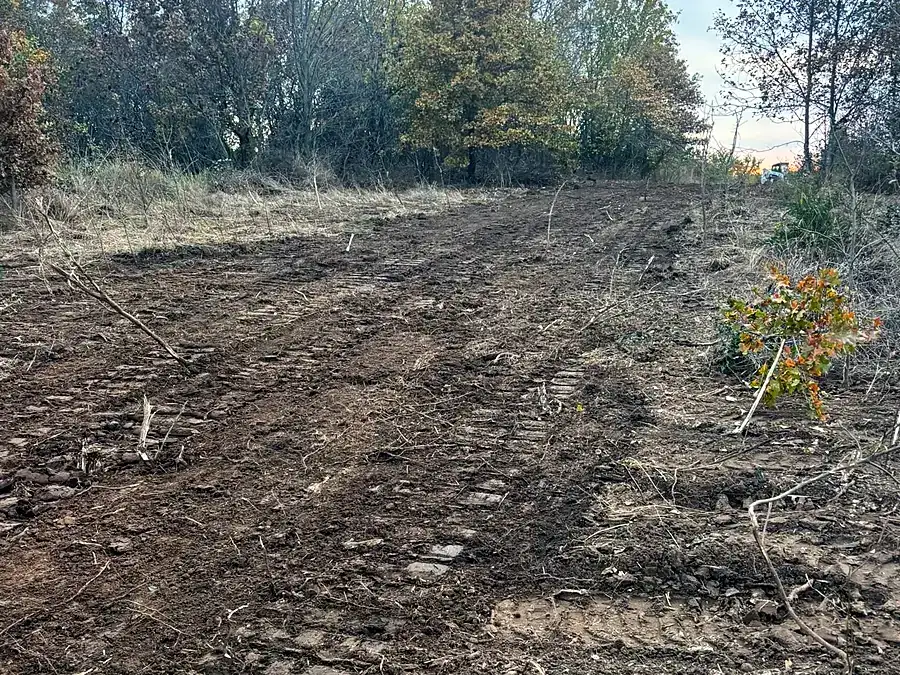
Stump Removal vs Stump Grinding: Which One?
Grinding is quicker and leaves less of a hole, but leaves the roots in the ground. Removal with an excavator takes the stump and main root ball out completely. If you are building, regrading, putting in a drive or planting in the same spot, removal is usually the better choice.
Read the guideWant a Number for Your Job?
A guide can only tell you what drives the cost. Kasen looks at the job, talks it through and gives you a straight price before any digging starts.